Every time your thermostat calls for heat, the furnace runs a fixed checklist. The inducer motor starts and proves draft by closing a pressure switch, the hot surface igniter heats up, the gas valve opens, the burners light, and the flame sensor confirms there is fire. Only after all of that does the blower start pushing warm air into the house. Finding the step that fails is most of the job. Around Midland, TX, the usual failure points are an oxide-coated flame sensor, an igniter cracked by years of heating and cooling, a pressure switch that stays open because of a weak inducer or a clogged condensate trap on a high-efficiency unit, and control boards with burned relays. Any one of them halts the startup, and from the hallway they all look alike.
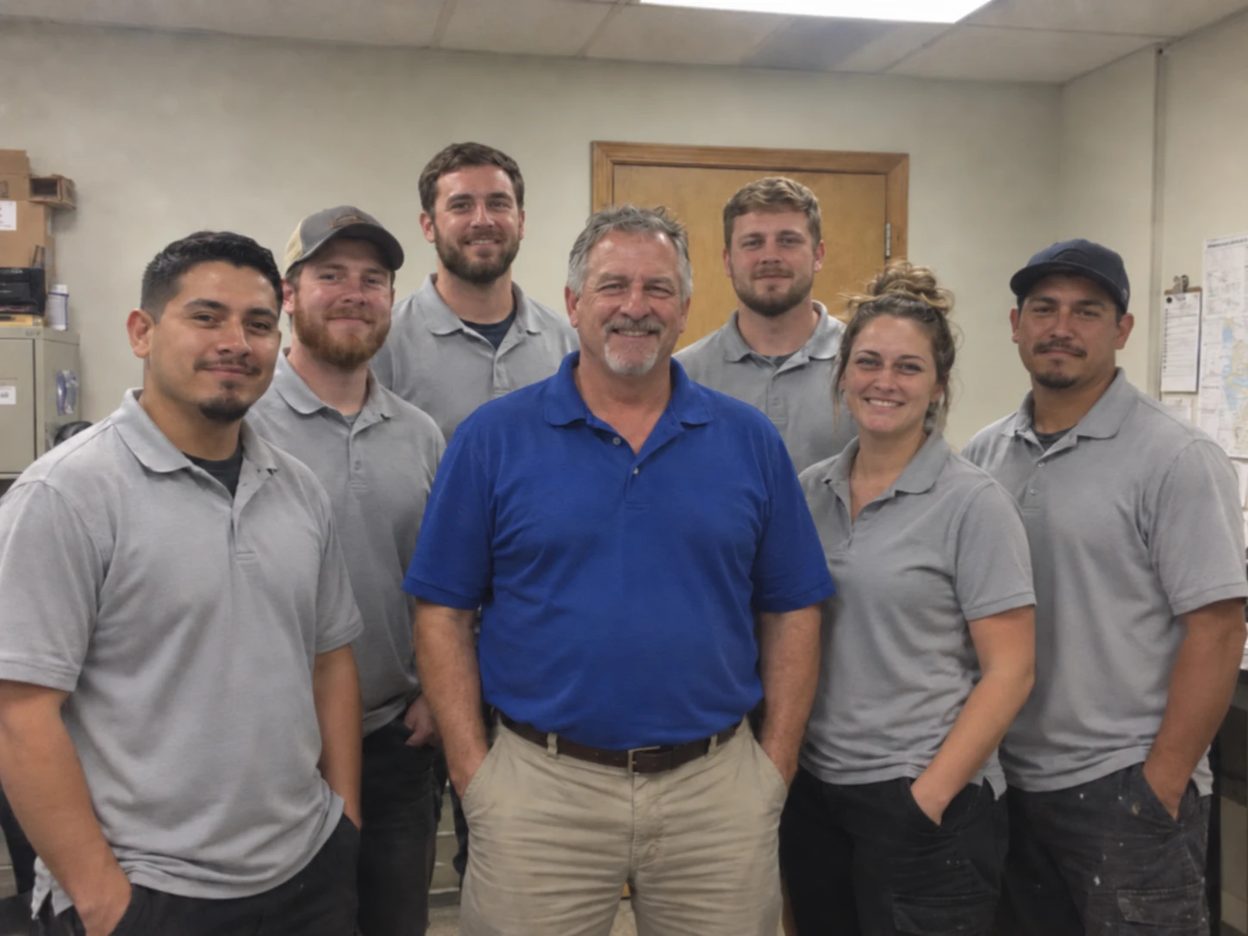
Our experienced technicians diagnose a furnace the way it operates, in order, with a meter at every step. That means igniter resistance, microamp flame signal, pressure switch operation under actual inducer draft, gas valve voltage, and blower and capacitor condition. Safety checks are never optional on a gas appliance: heat exchanger inspection, leak testing on the gas connections, and flue draft verification, since a hazard is not visible at the thermostat. We finish by checking temperature rise against the data plate, making sure the burner and blower are matched the way the manufacturer designed them to.
Midland HVAC services natural gas, propane, and electric furnaces of every major brand, from standard 80 percent units to condensing high-efficiency models with their traps, drain lines, and dual pressure switches. Our trucks carry the parts that actually fail, such as igniters, flame sensors, pressure switches, capacitors, inducer assemblies, and blower motors, so most homes have heat again before we leave. Call (432) 200-0741 for furnace repair anywhere in Midland, and we can have someone out today.
For air conditioning breakdowns, see AC Repair in Midland.
How Much Does Furnace Repair Cost in Midland?
For most Midland homes, a furnace repair runs $150 to $600. Cleaning a flame sensor is a small job; replacing a blower motor or control board is a bigger one. You'll get a written, upfront price from Midland HVAC after we diagnose the problem.
| Repair | Typical cost | What it usually means |
|---|---|---|
| Flame sensor cleaning or replacementBurners light but cut out almost immediately | $80–$250 | Furnace lights, then shuts off within seconds |
| Hot surface igniter replacementNo ignition; one of the most common winter failures | $150–$400 | No ignition; one of the most common winter failures |
| Draft inducer motorLoud humming or grinding at startup, then lockout | $400–$1,000 | Startup fan fails, furnace won't fire |
| Blower motorNo airflow, or the blower runs nonstop | $400–$1,500 | Burners run but little or no air comes out of the vents |
| Control boardFurnace won't respond to the thermostat | $300–$700 | Furnace won't respond to the thermostat |
| Gas valve replacementIgniter glows but gas never flows to the burners | $250–$700 | Valve fails to open, so the furnace never lights |
Ranges are typical for these repairs; you get an exact quote before any work starts.
What Affects the Price
- Furnace age and type, because 90%+ efficiency models have more specialized parts
- Whether a cracked heat exchanger is found, which usually means replacement rather than repair
- Same-day or after-hours service versus a planned visit
- Access to the furnace in attics, closets, or crawlspaces
For older furnaces facing a big repair, we'll show you what replacement would cost too, so you can compare. No heat right now? Call (432) 200-0741.
Signs You Need Furnace Repair in Midland
Recognizing the warning signs early can save you time, money, and prevent significant damage to your property. Watch for these telltale signs that professional help is needed:
- The igniter glows and clicks, yet no flame ever appears
- Frequent on-off cycling that never reaches the thermostat setting
- Air moving through the vents that never gets warm
- Repeated shutdowns just seconds after the burners light
- Loud booms at startup caused by delayed ignition
- Squealing or grinding from the blower compartment
- Rust streaks, soot, or water around the cabinet or flue
- Yellow, wavering burner flames where they should be sharp blue
Don't Wait for a Total Failure
What seems like a minor issue today can take out a compressor or heat exchanger tomorrow. Don't wait, get Midland HVAC on the phone at (432) 200-0741 and we'll take a look right away.
Need Help With Furnace Repair?
Our experienced technicians are standing by to help.
Get Help: (432) 200-0741Your Furnace Repair Questions Answered
Why Hire a Professional for Furnace Repair?
A furnace combines gas, flame, high voltage, and a flue in one cabinet, and the failure that matters most is the one you cannot see from outside: a compromised heat exchanger passing combustion gases into the air your blower pushes through the house. Delayed ignition that booms at light-off stresses that exchanger further every morning it goes unfixed. Meanwhile the diagnostic traps stack up: a furnace that trips its high limit may have a bad switch, or it may be protecting itself from a clogged filter or a dying blower, and replacing the switch in the second case just removes a safety while leaving the fault.
Our techs look at every symptom in the context of the whole furnace. We measure flame signal instead of assuming it, which keeps us from replacing a healthy sensor while a cracked igniter or weak gas valve goes unnoticed. Draft is confirmed at the pressure switch and at the flue. Temperature rise is checked against the data plate, catching airflow problems before they shorten the life of the heat exchanger. The gas side is leak-tested with instruments, never with a quick sniff. The result is a furnace proven safe over a full cycle, plus an honest opinion if the unit is getting close to the point where replacing it beats repairing it again.
Our Furnace Repair Process
Every visit follows a step-by-step method refined over years of hands-on experience. Here's how we handle furnace repair from start to finish:
Startup Sequence Testing
We run the furnace through its startup while we measure inducer draft, pressure switch response, igniter resistance, flame signal, and gas valve operation. The goal is to pinpoint the exact step that fails.
Safety Inspection
On every visit, we inspect the heat exchanger, leak-test the gas connections, and confirm the flue is drafting. A repair is not complete until the unit is proven safe.
Expert Repair
Igniters, flame sensors, pressure switches, capacitors, and motors ride on the truck, so most furnaces are lit and heating again before we pack up.
Complete Verification
We run complete cycles, measure temperature rise against the data plate, confirm clean ignition without booming, and verify every limit and safety control before we leave.
Furnace Repair Prevention Tips
Taking preventive measures can help you avoid costly heating and cooling problems down the road. Start with these practical measures our team relies on:
- Give the furnace room to breathe, since a crowded utility space starves the burners of air
- Keep storage, lint, and especially chlorine-based products away from the furnace closet
- On high-efficiency models, keep the condensate trap and drain line clear and draining
- Put a carbon monoxide detector on every level and test them monthly
- Put in a fresh filter monthly through the heating season, the cheapest protection your furnace can get
- Book a fall tune-up so weak igniters and fouled sensors are caught before the first freeze
- Listen at light-off; clean ignition is quiet, and booming means the burners need service
DIY vs. Professional Furnace Repair
Some simple checks are suitable for DIY, but most heating and cooling repairs benefit from professional tools, training, and experience. Here's a comparison:
| Factor | DIY Attempt | Professional Service |
|---|---|---|
| Heat Exchanger | Cracks invisible from the outside | Inspected on every repair visit |
| Ignition Problems | Parts swapped against a code list | Igniter, sensor, and valve each metered |
| Gas Safety | Small leaks missed entirely | Every fitting checked with a detector |
| High-Limit Trips | A safety device jumpered out | Root cause of overheating corrected |
| Airflow Match | Airflow assumed, not measured | Blower tuned to the rated rise |
| Final Check | It lit once, call it fixed | Full cycles proven clean and safe |
Talk to a Furnace Repair Expert
Every day you wait puts more strain on a struggling unit. Get Midland HVAC on the job today.
Call (432) 200-0741 TodayAreas We Serve for Furnace Repair
We bring furnace repair to homes and businesses in town and across the nearby communities. Pick your area to see local details.